

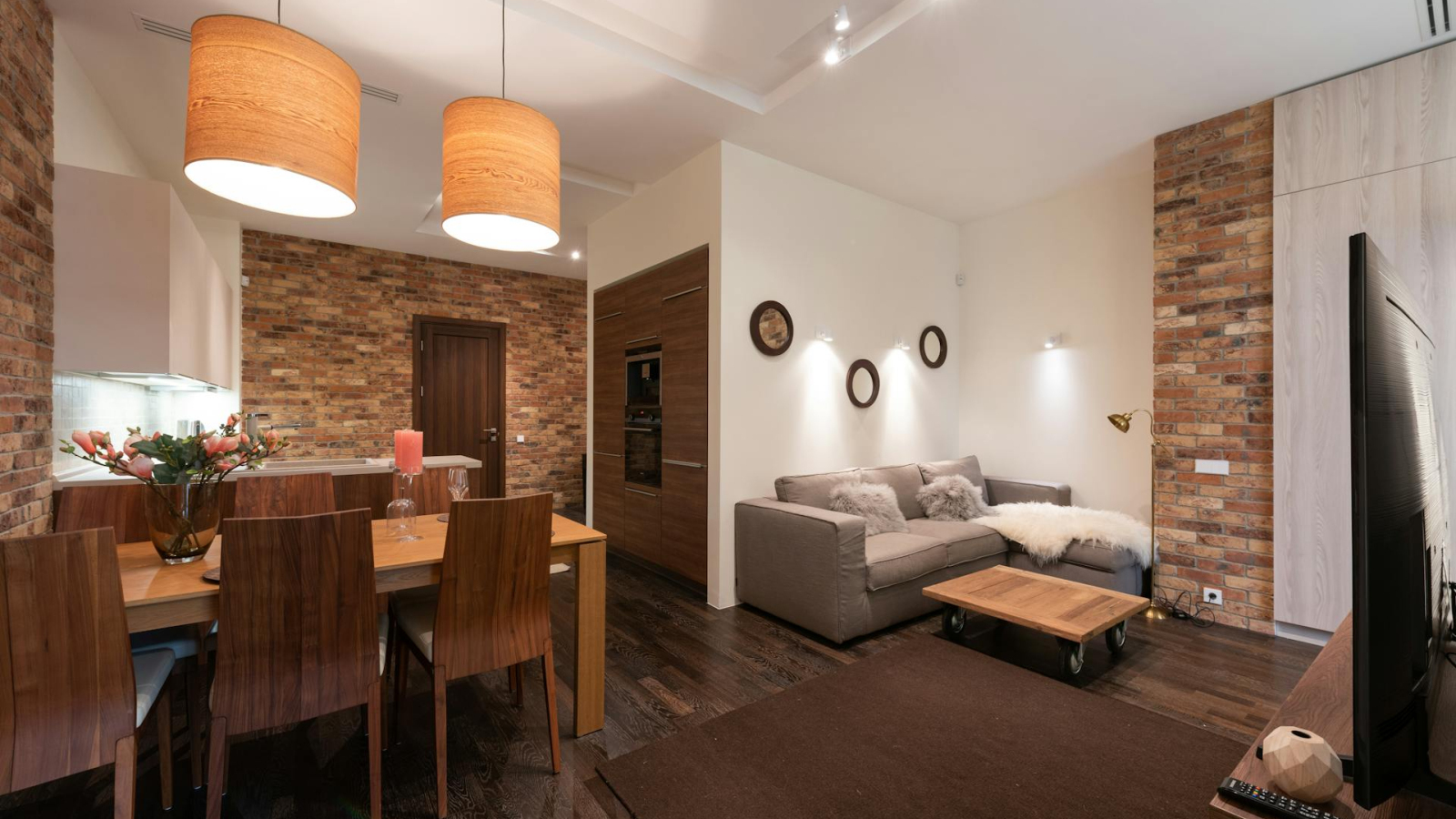
Light as a Scenario: How the Language of Interior Lighting is Changing
Not long ago, lighting was perceived as a final touch – it was added after furniture, textiles, and decor were already chosen. Today it's different. Light becomes the starting point, an invisible framework upon which the entire interior is built. It sets the rhythm of home life: making mornings invigorating, days productive, and evenings truly cozy.
And when clients ask where to start with interior design, professionals increasingly answer: with light! Because it's light that creates the basic sense of space, rather than simply emphasizing it.
The modern approach to lighting is not an attempt to dazzle with brightness, but rather an effort to build a cohesive, calm, and profound atmosphere.
Layering as a Basic Principle
New trends in lighting are neither about excess nor about demonstrative design. On the contrary, the more thoughtfully the system is planned, the less noticeable it appears. Light doesn't draw attention to itself, but it makes the space whole, comfortable, and "expensive" on a sensory level.
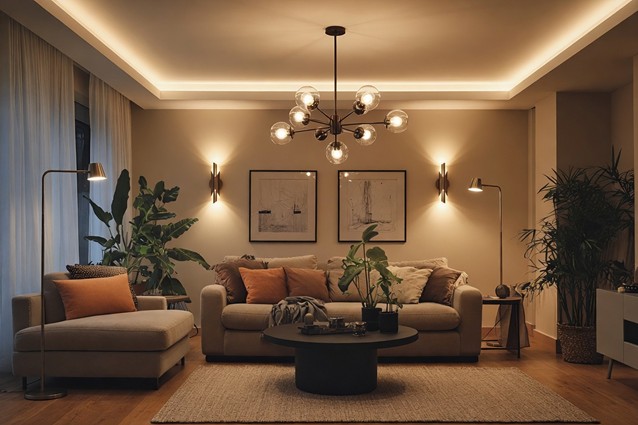
The main principle is layering. Today, lighting in an apartment is perceived not as a technical necessity, but as a language of emotion. Basic light gently fills the room, local sources create the needed accents, and delicate backlighting adds depth. As a result, the interior begins to "breathe": it changes easily depending on the time of day and mood.
Such carefully calibrated solutions are winning international competitions: not loud experimental installations, but practical lighting scenarios that can be easily adapted to an ordinary city apartment. These are the real design innovations – not for effect, but for quality of life.
Sculptural Light
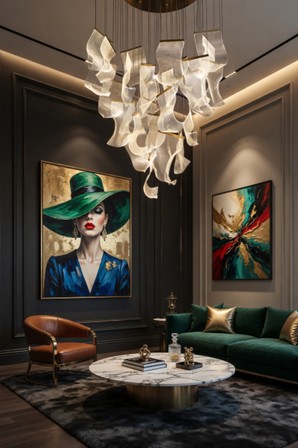
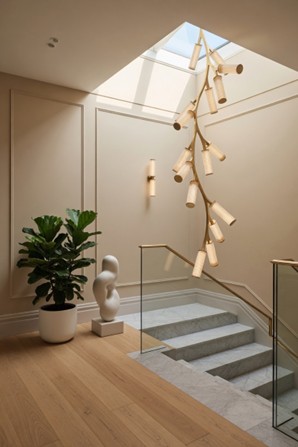
A chandelier no longer needs to illuminate the entire space – but it can set its tone. Sculptural forms, noble materials, and subtle work with textures turn the light fixture into a full-fledged art object.
Mixing styles has become the norm: crystal and bronze look excellent in a loft, while industrial motifs can enliven Japanese minimalism. This technique makes the interior alive and individual, free from templates.
But what's more important is this: light is no longer built around a single center. It's distributed throughout the space, like music.
Track Systems: The Flexibility That Was Missing
Tracks have stopped being associated exclusively with galleries or boutiques and confidently moved from professional settings into residential ones. They made their way into ordinary apartments because they allow you to adapt lighting to changes in layout and lifestyle. Need to light up a work desk, highlight the sofa area, or shift focus to the dining table – a track will handle it easily. It's especially helpful in an open-plan kitchen-living room, where subtle space zoning is important.
For a space that combines a kitchen and living room, it's almost an ideal solution: the track doesn't clutter the interior, doesn't conflict with furniture, but gives you the ability to change lighting scenarios to match your lifestyle. This is no longer just a trendy technique – it's a basic element of a well-designed apartment project. This is the new luxury: not to complicate, but to simplify.
Backlighting in the Interior: The Quiet Hero
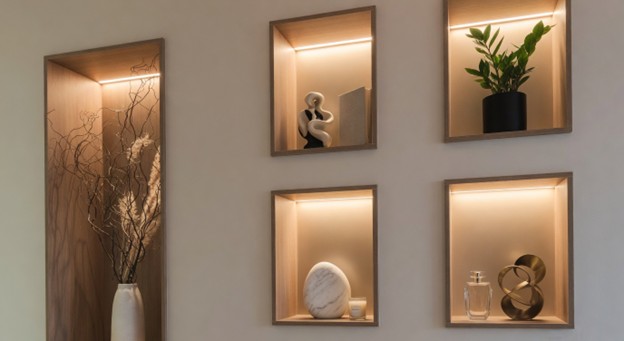
LED backlighting – perimeter, niche, built into furniture – is no longer considered a luxury. It has become an everyday tool for comfort: it aids navigation at night, creates soft light transitions, improves spatial perception. Lighting shelves, cabinets, kitchen areas – small details that noticeably increase convenience.
This is a case where light doesn't announce itself, but makes the space more refined, calmer, and visually wider. And it's precisely this decorative backlighting that transforms an ordinary apartment into an impressively thoughtful space where everything works for comfort.
Smart Technologies Without Complexity
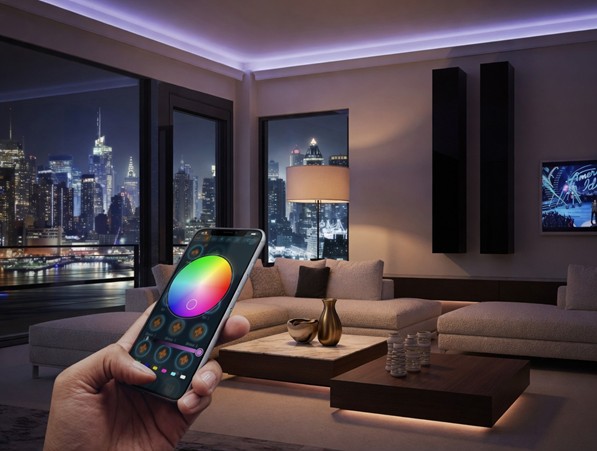
Lighting technologies are becoming more complex, but using them is becoming simpler. Control through a smartphone, "morning/evening" scenarios, lighting sensors – all of this has become common practice, not a luxury. But the key principle remains the same: smart lighting should be invisible. It adapts to the rhythm of life, removes household burden, frees up attention.
Good lighting is something you don't need to think about. Today its task is to dissolve into everyday life. Light adjusts itself to the rhythm of the day, regulates brightness, creates the needed atmosphere – and does this almost imperceptibly. This is the new standard: when comfort requires no effort.
Light That Returns You to Nature
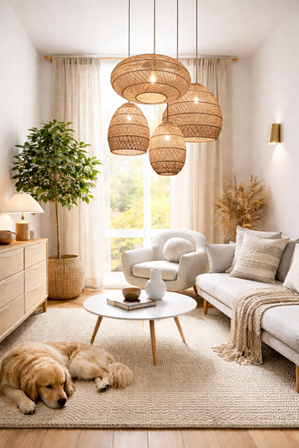
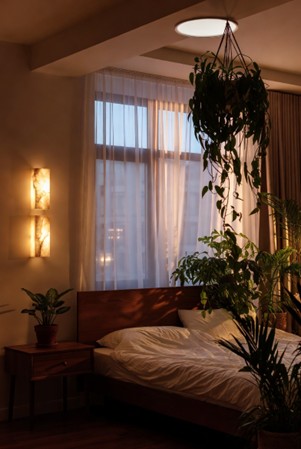
Biophilic design is more than a trend. It's a whole philosophy that seeks to restore natural light cycles to humans. In the morning – invigorating cool light, during the day – full spectrum, in the evening – warm golden tones that support relaxation. Such lighting imitates natural dynamics and improves sleep, increases concentration, reduces stress. For megacity residents who spend 90% of their time indoors, this isn't aesthetics – it's self-care.
Such light isn't just beautiful – it works for your well-being. It improves sleep, reduces fatigue, makes the space more "alive". And therein lies its main value: it's not about effect, but about quality of life.
Light of the Future
If you bring all the key trends together, you get a new understanding of light: it should be flexible, layered, adaptive, and emotional. It works not for visual effect, but for comfort. Not for fashion, but for quality of life.
And that's exactly why light plays such an important role: it shapes space, supports mood, helps you recover, and makes each day noticeably better. This is the new definition of modern interior – not just beautiful, but alive, warm, and supportive.
The main change is that light has become closer to humans. And perhaps this very humanity is the main trend of the coming years.

No comments yet.