

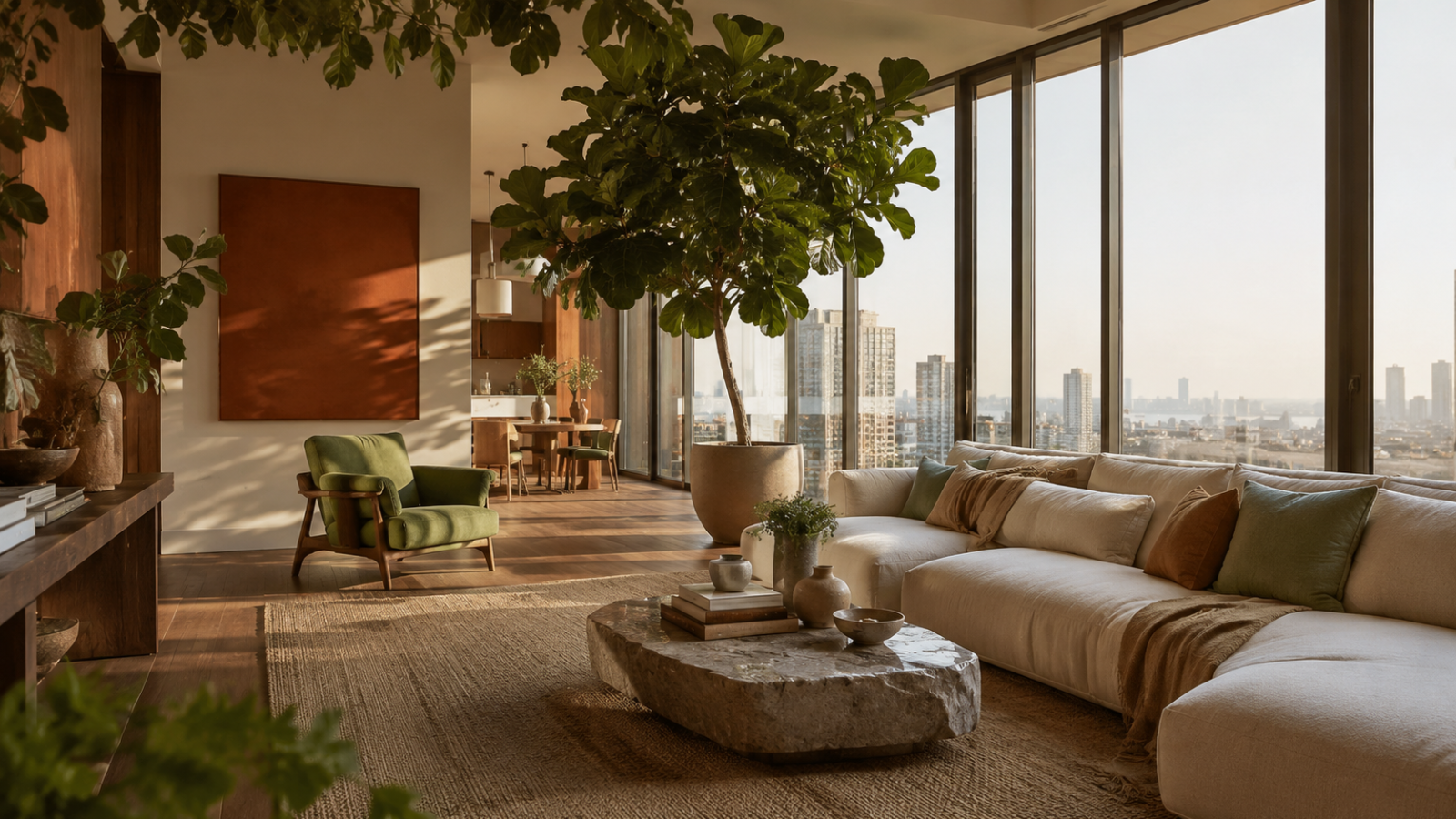
Biophilic Interior Design 2026–2027: How Plants and Natural Materials Transform Your Home
The term "biophilic interior design" is heard today not only in discussions among professional architects and designers – consumers, residents of urban high-rises, and cottage owners have embraced the idea. And this is a clear signal that we're not just talking about a trendy fad, but a fundamental shift in how we understand what a home should be.
Today, room design is evaluated not only or even primarily from the perspective of aesthetics or following new trends, but based on how user-friendly the environment is, whether it meets the need for rest and relaxation. When furnishing their homes, people ask themselves: will my home become a true "fortress" that I want to return to quickly – and how can I achieve that?
From Beautiful Idea to Scientific Fact
The term biophilia – literally "love of life" – was introduced into scientific discourse by biologist Edward Wilson in 1984, describing the innate human need to maintain a connection with nature.
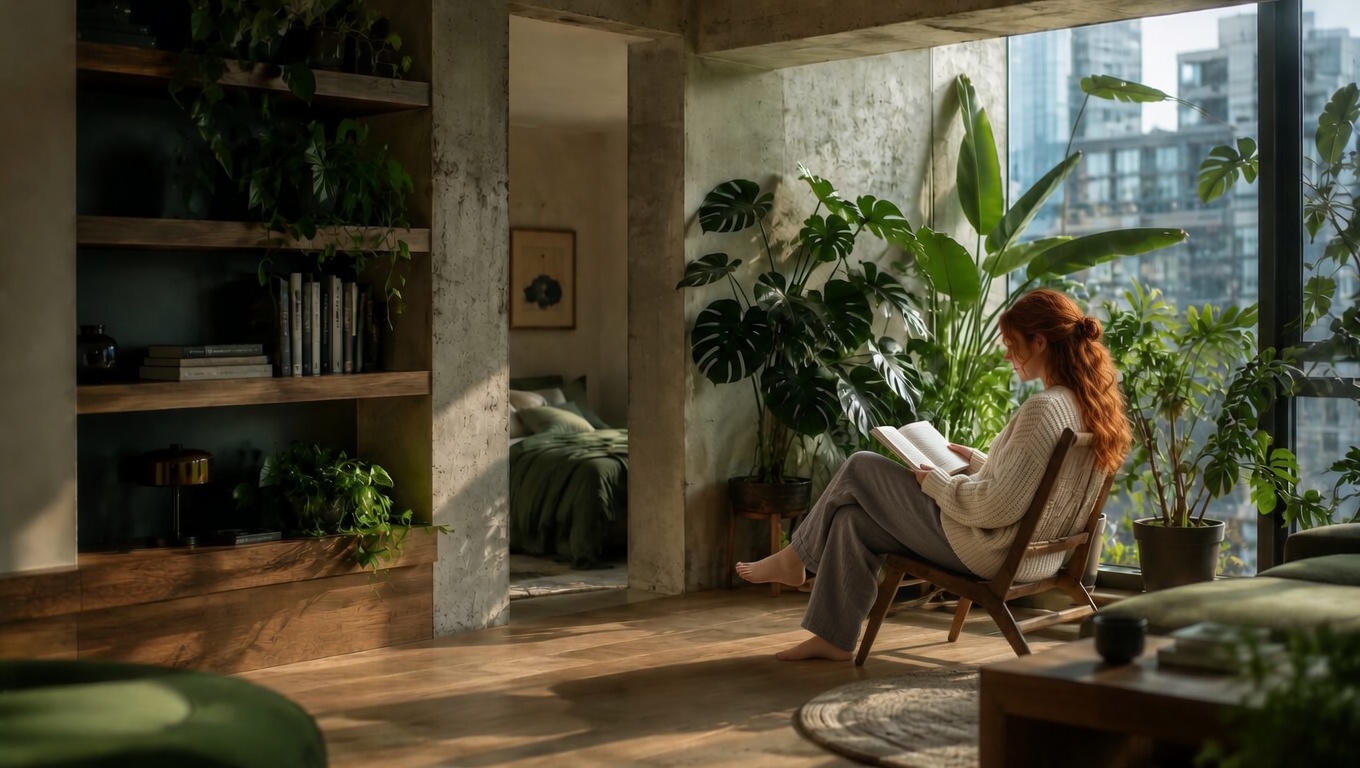
Research has confirmed: even brief exposure to living plants reduces cognitive-emotional overload, decreases fatigue, and improves mood.
Biophilic design emerged as a response to the need to be closer to nature. It is based on a human-centered theory, according to which a beautiful interior doesn't mean glossy perfection, but rather a living, breathing, tactilely rich space. One where you can relax and feel "I am home."
Plants in Interior Design: Not Decoration, But an Architectural Element
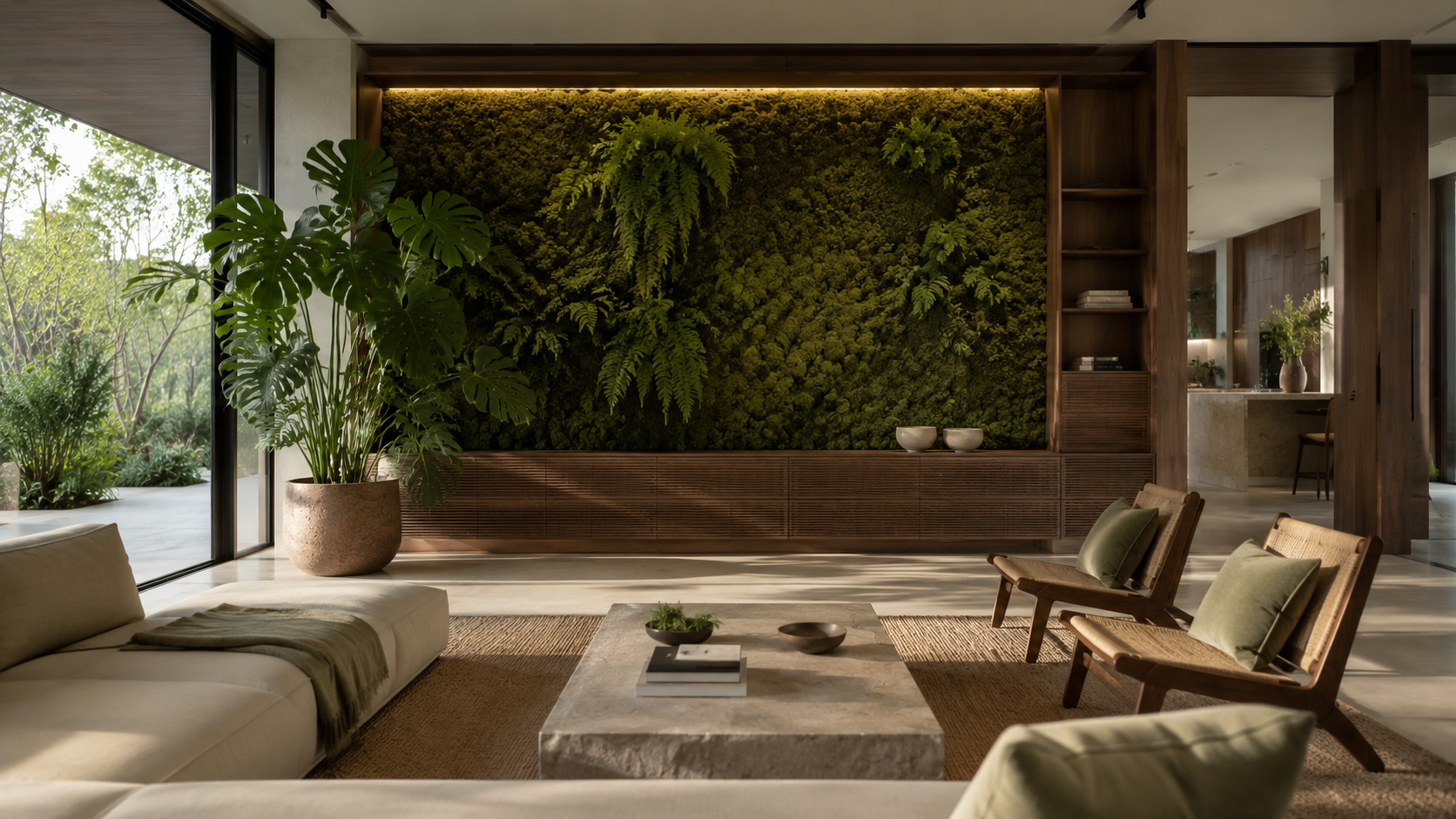
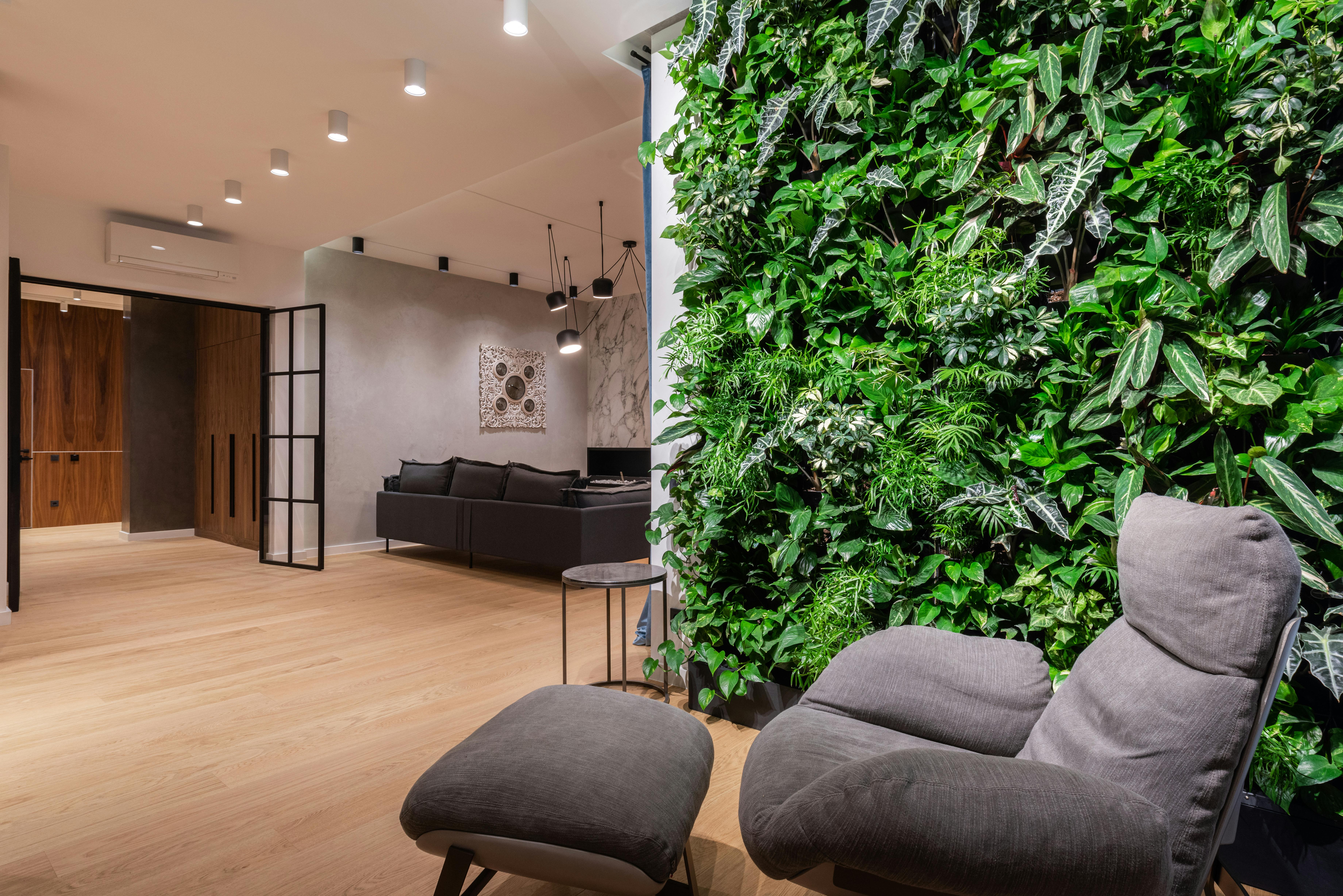
Chaotic collections of succulents and violets are a thing of the past. Biophilic minimalism offers something different: one large plant by the window is more effective than twenty small pots. Greenery is integrated into shelving, forms vertical gardens and green partitions that excel at zoning space. Moss panels solve another task – acoustics. Living surfaces absorb sound, reducing background noise in city apartments. This is especially relevant for studios with open-plan layouts.
Aromatic herbs have taken over kitchens and bathrooms: basil, thyme, mint. They offer double benefits – visual and culinary, as it's so pleasant to pick a few leaves for a salad or tea. A pot of rosemary on the windowsill will always triumph over an aromatherapy candle labeled "rosemary" – this is not imitation, but living breath of nature.
Imperfection as an Advantage: A New Aesthetic
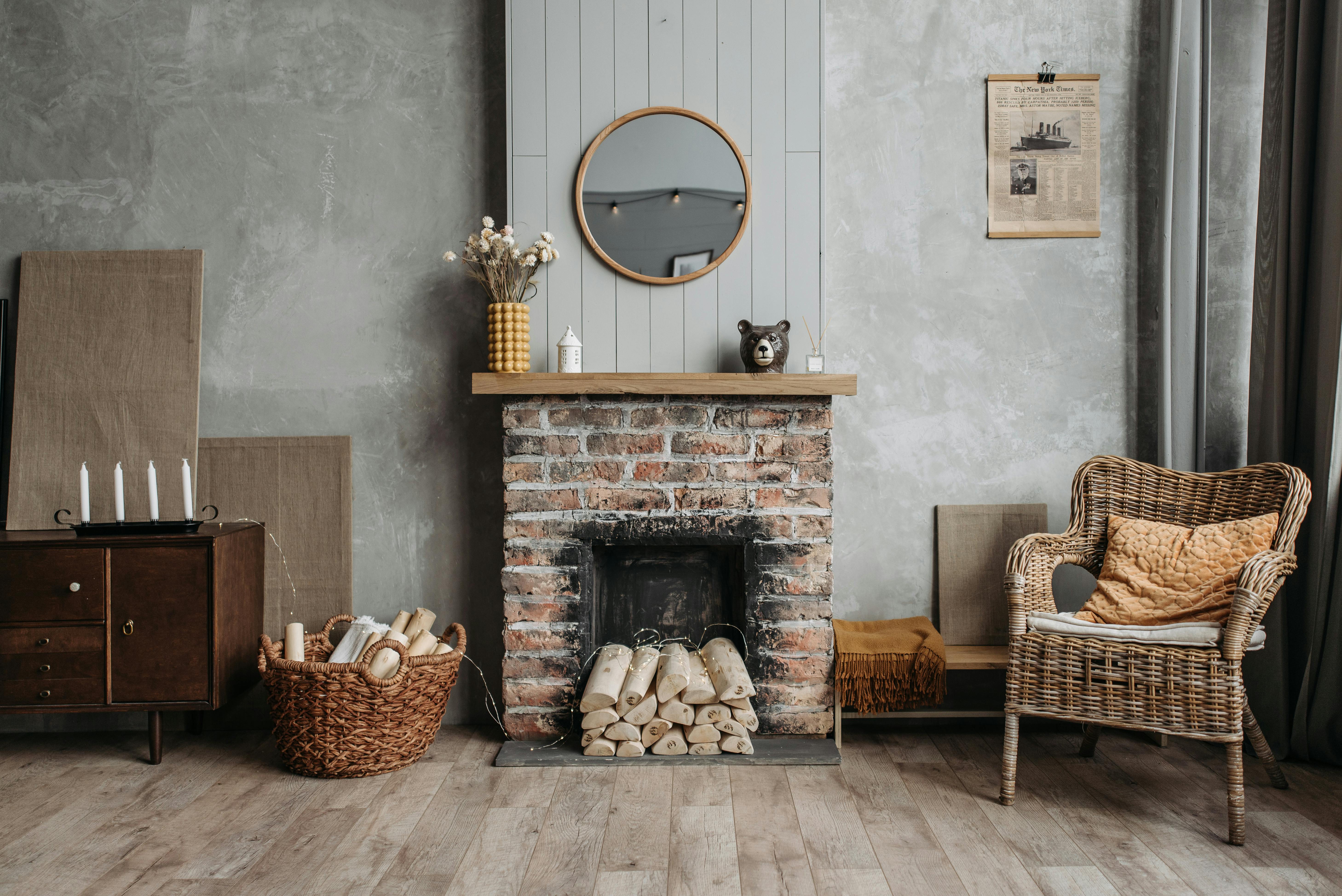
Natural materials are the second, equally important factor. Untreated stone, wood with pronounced texture, terracotta, cork, unglazed ceramics, wool fabrics – everything appeals to tactile memory and creates a feeling of a familiar, safe environment. Your hands feel this before your mind even processes it. And this is precisely where the key advantage over imitations lies: no laminate "wood-look" can evoke the same emotional response.
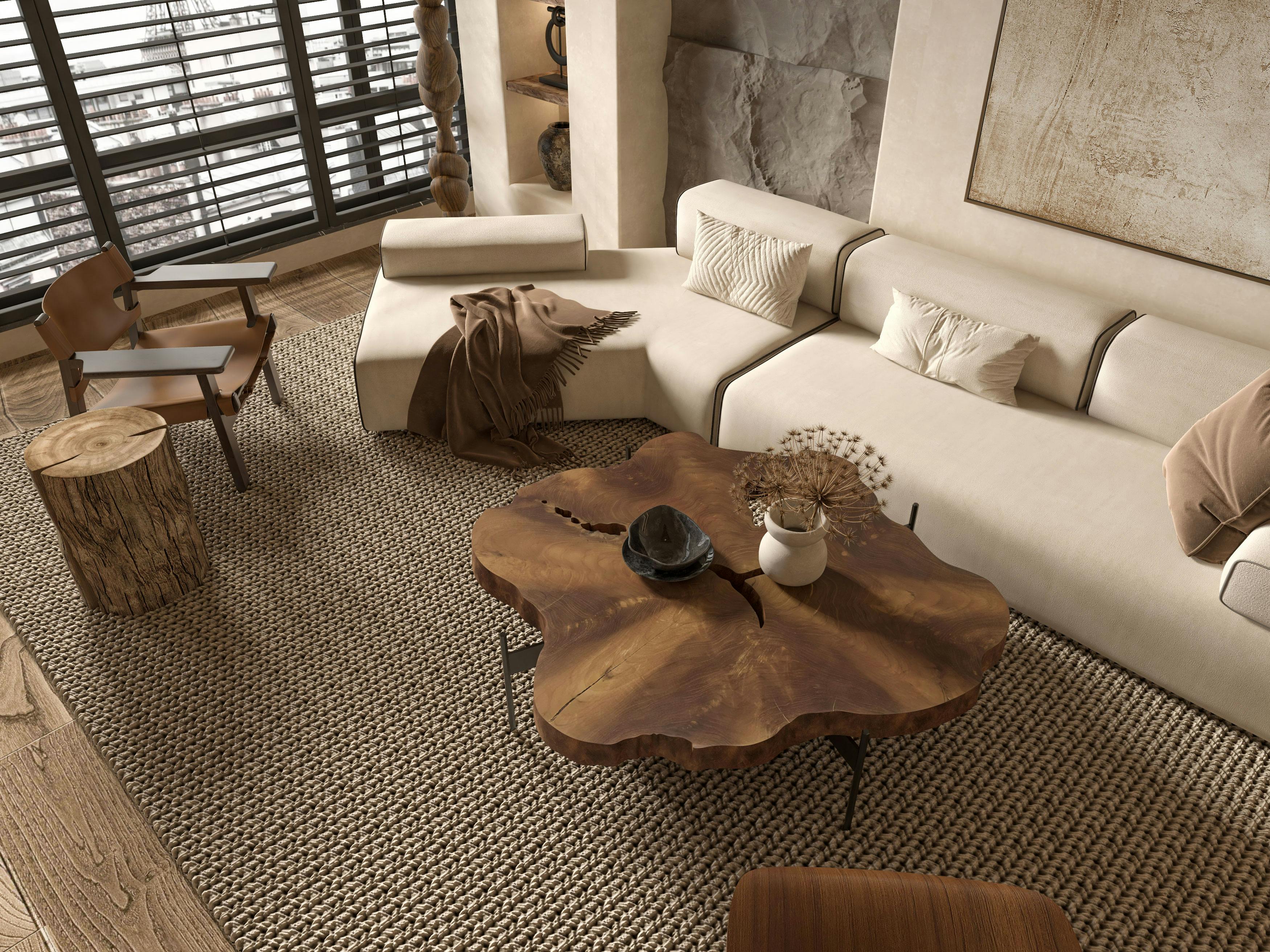
A chip on a stone countertop, knots on wood, irregularities in clay plaster – these are no longer flaws, but deliberate aesthetics. Decorating an interior in the biophilic sense means not embellishment, but choosing materials that don't pollute the air and age beautifully alongside your home. The color palette follows the same logic: muted greens, terracotta, ochre, and sand tones – colors the eye reads as peace and safety.
Light as a Living Organism: Biophilic Lighting
Lighting in an apartment today is no longer viewed as purely a technical function. Smart systems with dynamic color temperature synchronize with the human circadian rhythm: cold, invigorating light in the morning, warm amber light in the evening, gently switching the body into rest mode. Such lighting helps people live in a natural rhythm, reduces eye strain, and improves sleep quality. Essentially, it's a "home version of nature" built into modern interiors.
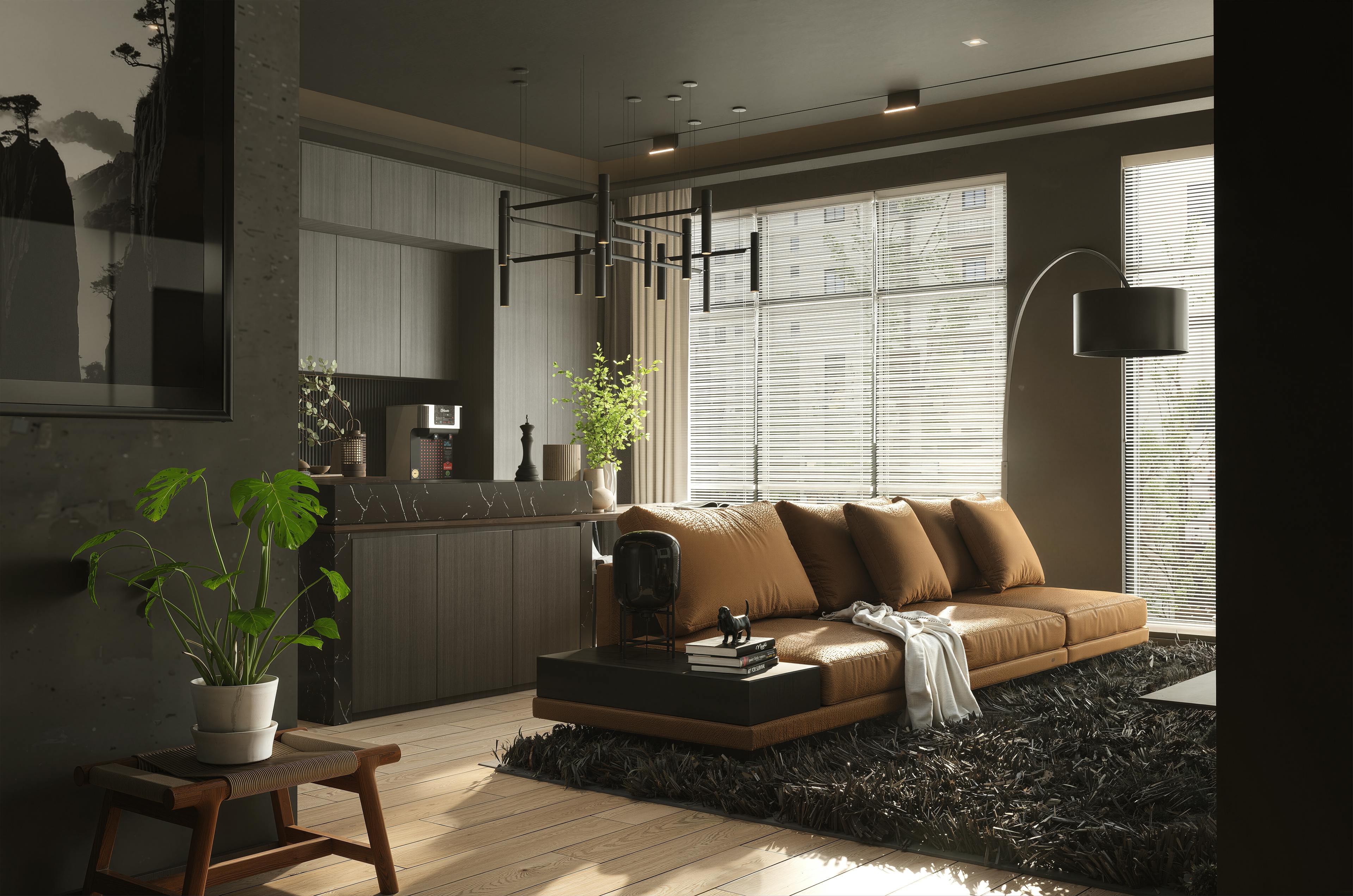
Warm lighting around the room's perimeter, soft glowing light, accents on textured surfaces – all create an atmosphere of calm and reduce tension. The system is complemented by proper use of natural light: mirrors placed opposite windows, lightweight muslin curtains instead of heavy drapes, glass partitions that redistribute sunlight deeper into the apartment.
The Balcony: Small Space, Big Potential
Urban balconies have often served as a place for a lone chair and a laundry line. Today, balcony design involves fully utilizing every square centimeter. The key principle is seamless transition from living spaces to the surrounding environment: using the same flooring as in rooms, sliding glass doors, a unified color palette. When the boundary between living space and balcony blurs, the apartment literally gains in air and light – even if it's just six square meters.
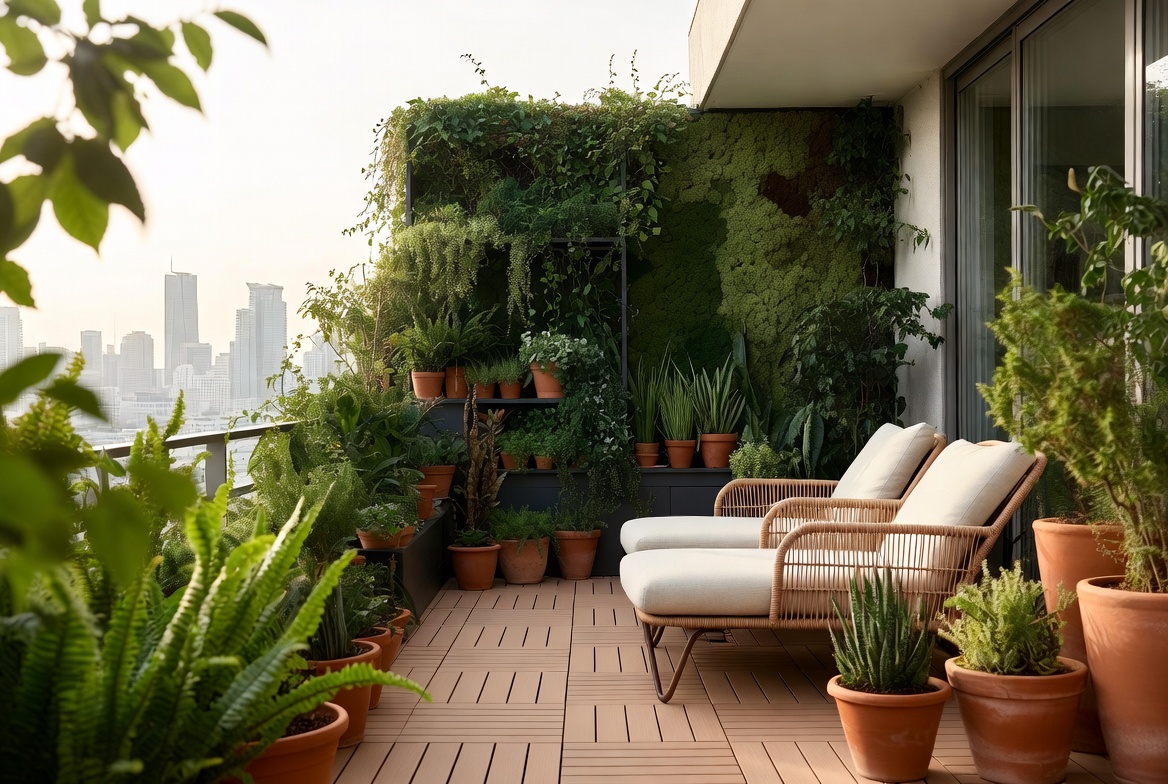
Plants are arranged in tiers: ground covers in boxes, trailing plants in hanging pots, vertical panels on solid walls. Furniture is better chosen from moisture-resistant wood – rattan, teak, acacia. A fragrant herb zone near the seating area adds another important dimension – scent.
How to Apply It: Concrete Steps Toward a Natural Interior
The theory of biophilic design sounds even more convincing when backed by clear practice. Space transformation won't require major renovation – you can start by reconsidering existing elements.
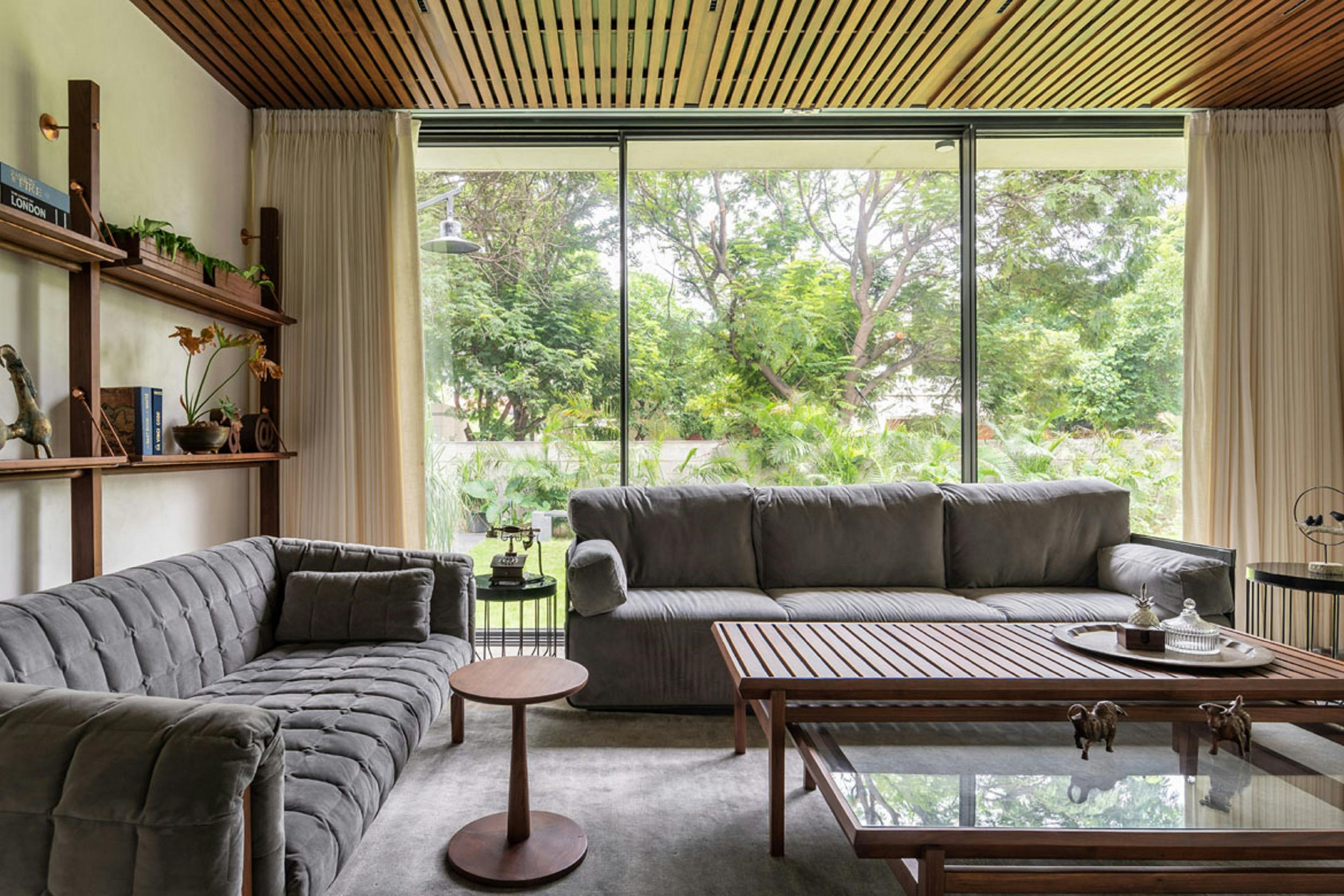
A few universal tips:
Light comes first. Forget heavy curtains – opt for linen or muslin instead. Place mirrors opposite windows. Install smart lighting systems with a dimmer and warm color temperature.
One accent is more effective than ten small details. A large, well-maintained plant by the window is more convincing than a shelf with small pots that are harder to keep in order.
Texture over pattern. A wool blanket, linen pillowcase, wooden tray – these create a tactile layer without overwhelming the interior.
Scent. Beeswax candles, eucalyptus oil, a pot of sage on the windowsill – natural aromas support the feeling of closeness to nature.
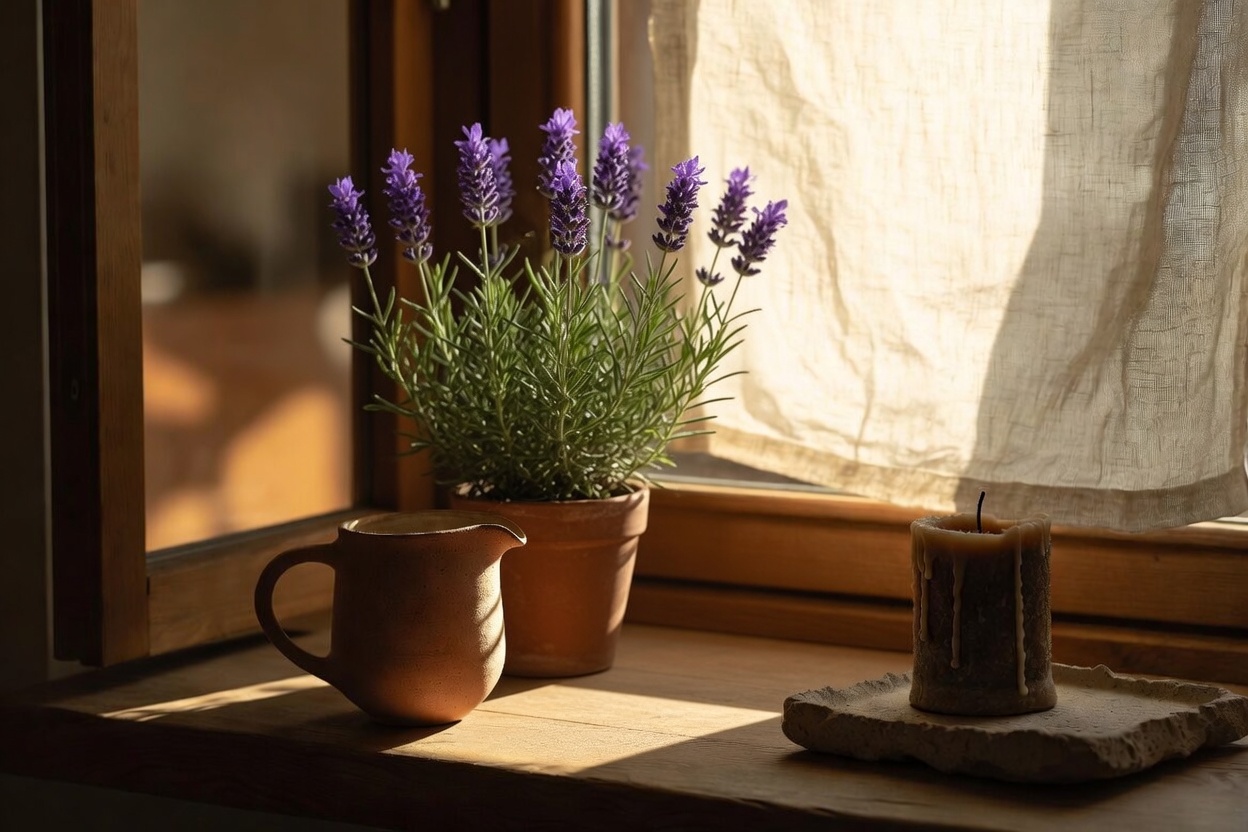
Biophilic design is not a style in the conventional sense. Not a set of solutions you copy from a mood board. Treating your home as a living system capable of supporting you – that's what determines the quality of modern interiors.

No comments yet.