

Kitchens 2026–2027: Top 10 Trends That Designers Are Already Choosing
In an era when the kitchen has finally ceased to be merely a utilitarian zone and has transformed into the emotional center of the home, designers increasingly speak of a return to authenticity. Natural materials, warm tones, architectural logic instead of decoration – this is what defines the look of kitchens in 2026–2027.
The Call for Warmth: Goodbye, Cold White
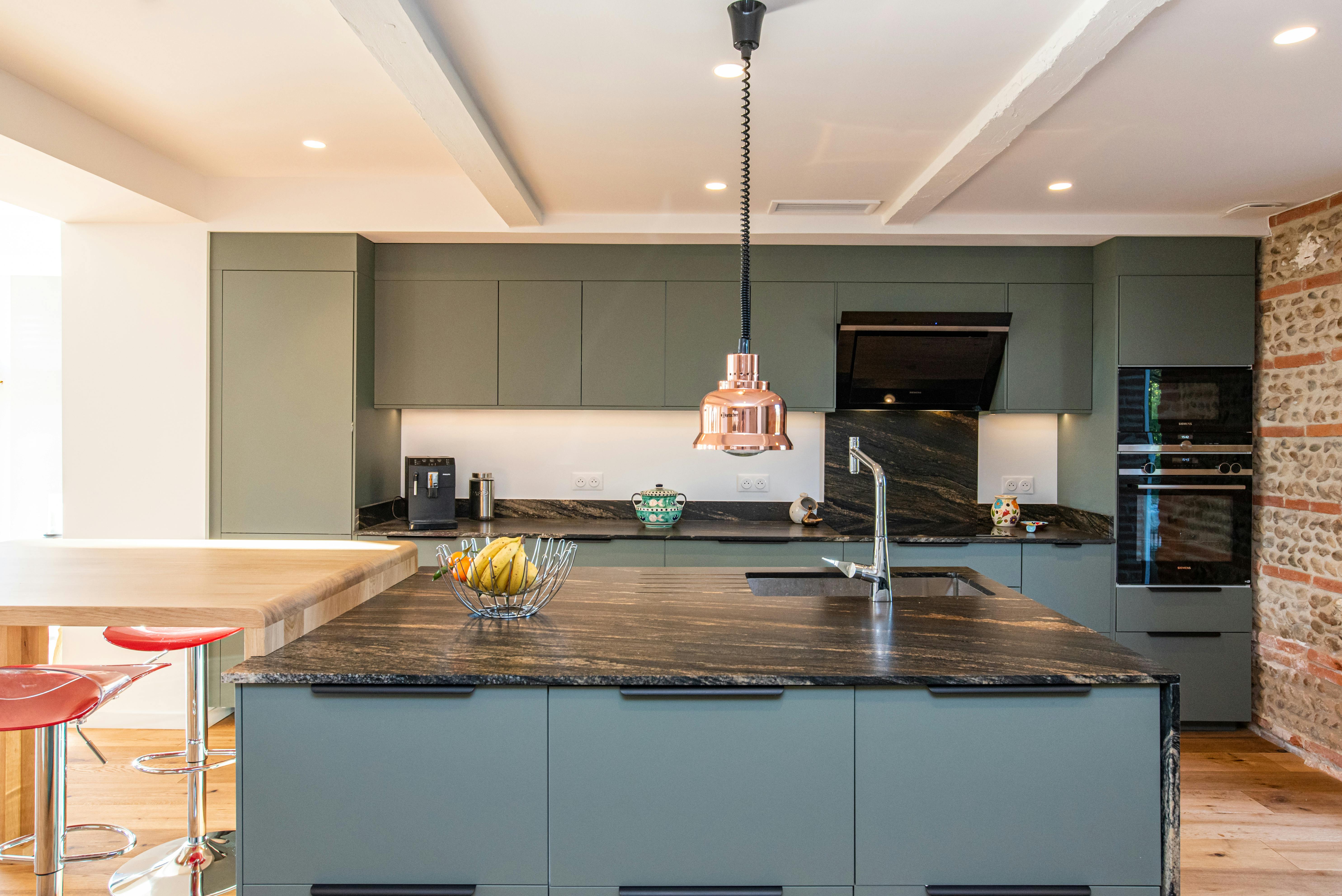
For many years, white kitchens were considered the epitome of style – an unbeatable and timeless solution. Today, this era is fading: sterile whiteness is giving way to living tones. Smoky jade, terracotta, taupe, dusty rose, mushroom and earthy tones – all of this is the new color agenda. Color solutions in interiors have shifted to where there is a sense of coziness and exclusivity, rather than faceless exhibition cleanliness.
To fit into the trend, a complete overhaul is not necessary. It is enough to replace the lower facades, refresh the backsplash or add an accent through textiles and wooden accessories.
Nature Comes Closer
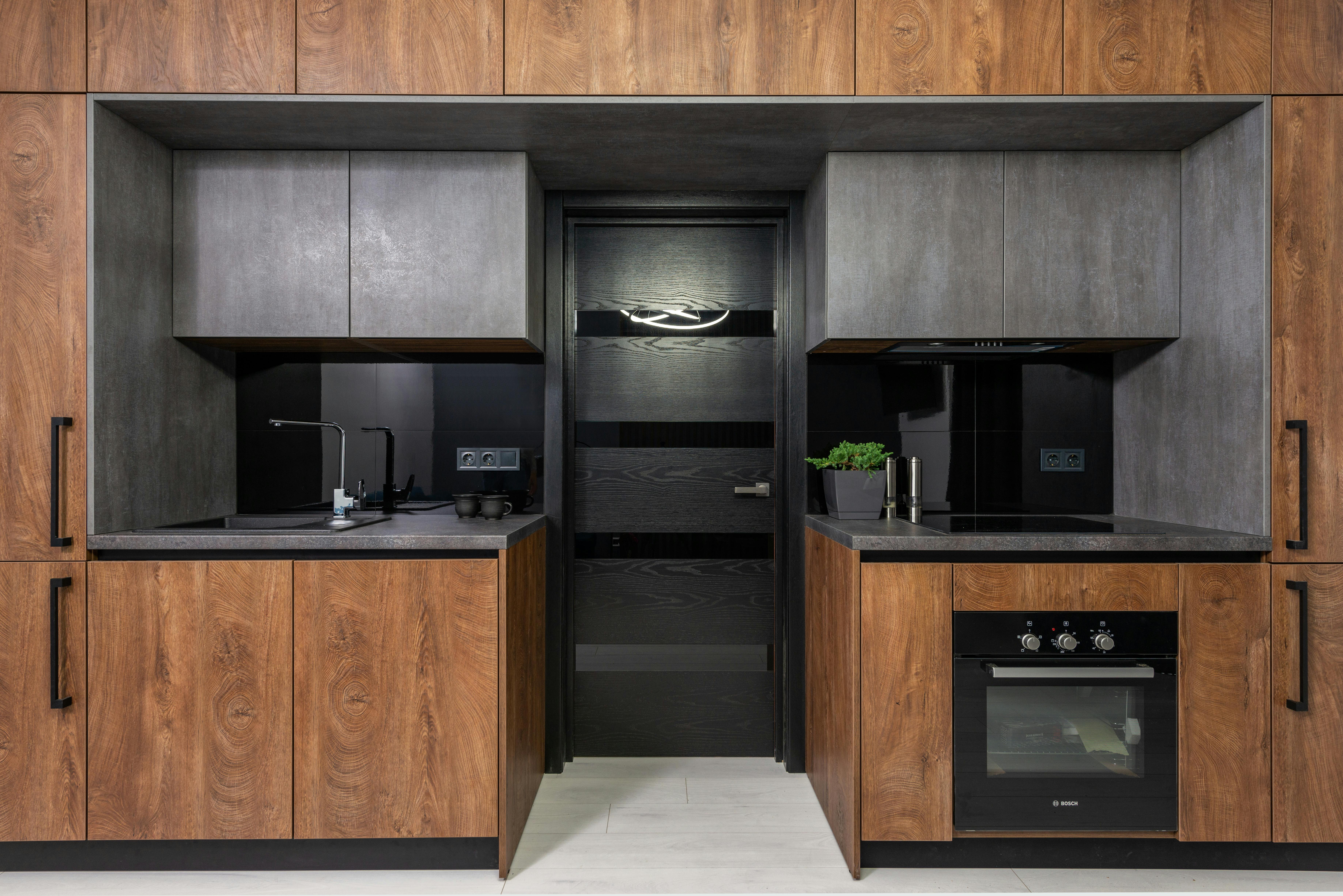
Wood finishing is experiencing a new surge and is transforming from an accent into a full background. Deep tones are relevant – dark walnut, smoked oak, ashen chestnut, cherry. This palette reduces visual fatigue, which is particularly critical in open-plan layouts.
An important nuance: this is not about the espresso shade that was so popular in the 2000s, nor the bleached Scandinavian version from the 2010s. New wood is warm, with natural texture that you want to touch. This creates a kitchen design where wooden facades do not dominate, but set a quiet yet confident rhythm.
Quiet Luxury: Less Means More Expensive
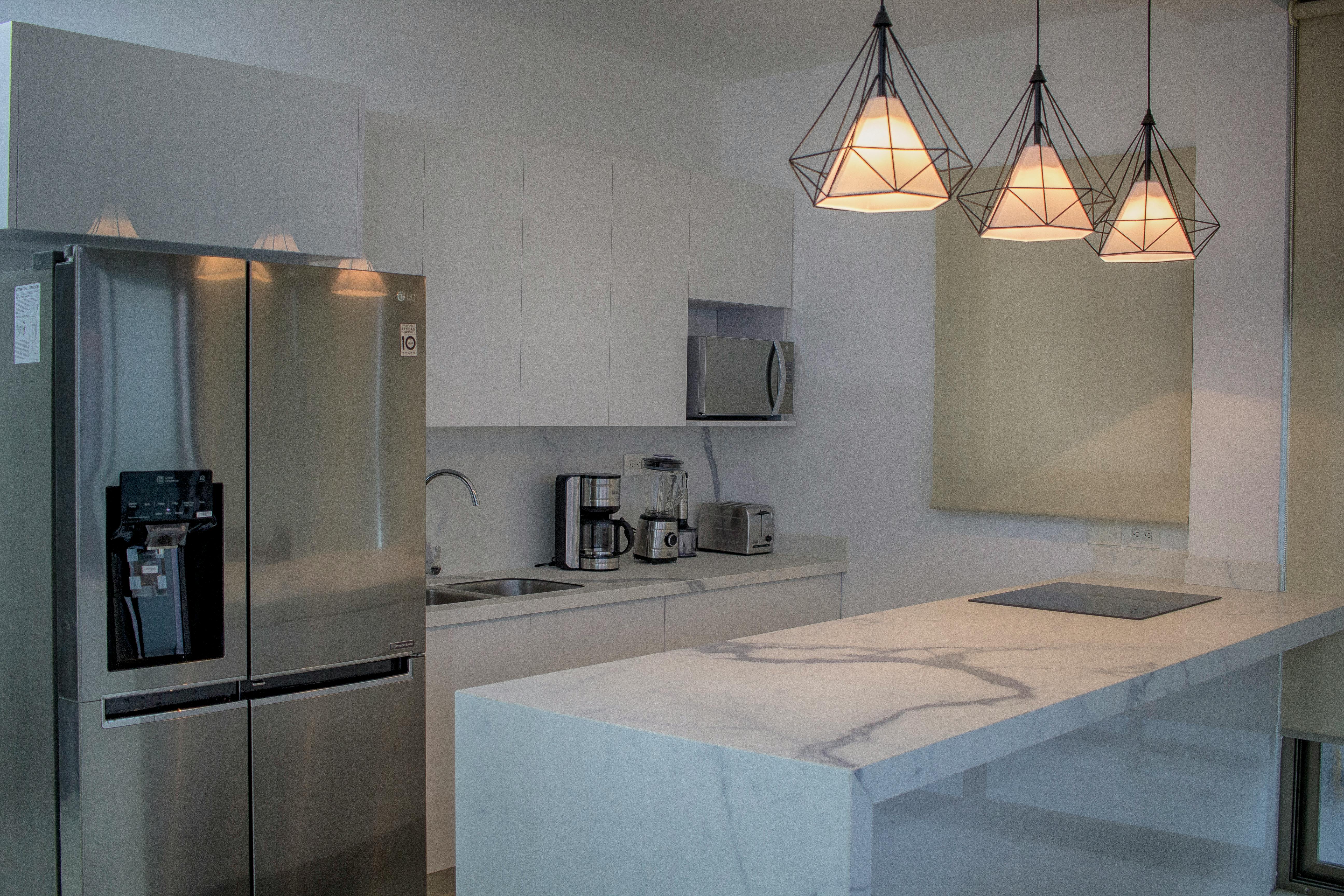
Quiet luxury – a term from the fashion world that has firmly established itself in the vocabulary of interior designers. The essence is simple: no decorative noise. Handleless facades, built-in and concealed appliances, a countertop made from a single slab without seams, minimal details – maximum quality in each one. Design ideas in this vein are not asceticism but editing: every object should either work or be beautiful, or ideally both.
The most accessible step: remove everything unnecessary from open surfaces. Literally everything – keep only what the family uses every day. The result will surprise you!
Neoclassicism 2.0: Elegance Without Excess
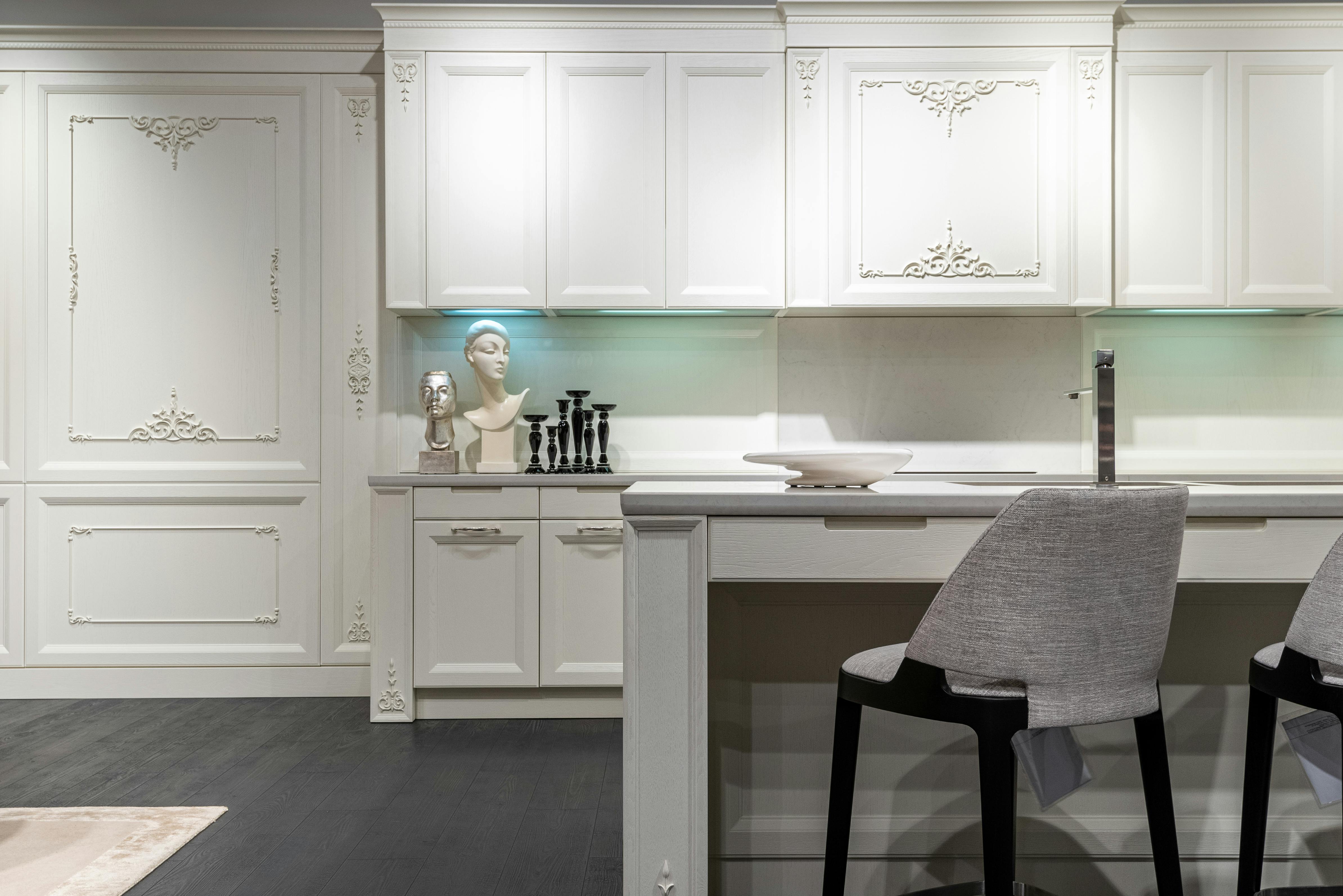
Previously, interiors designed in the neoclassical style often abounded with abundant molding, carved swirls and heavy decoration. Today's version emphasizes architectural rigor: minimalist routing, wide panels, clear proportions and facades made from painted MDF with matte polyurethane lacquer. A cornice or profile along the top of the cabinets creates a sense of completion. This approach combines classical heritage with modern functionality – without kitsch.
Divide and… Enjoy!
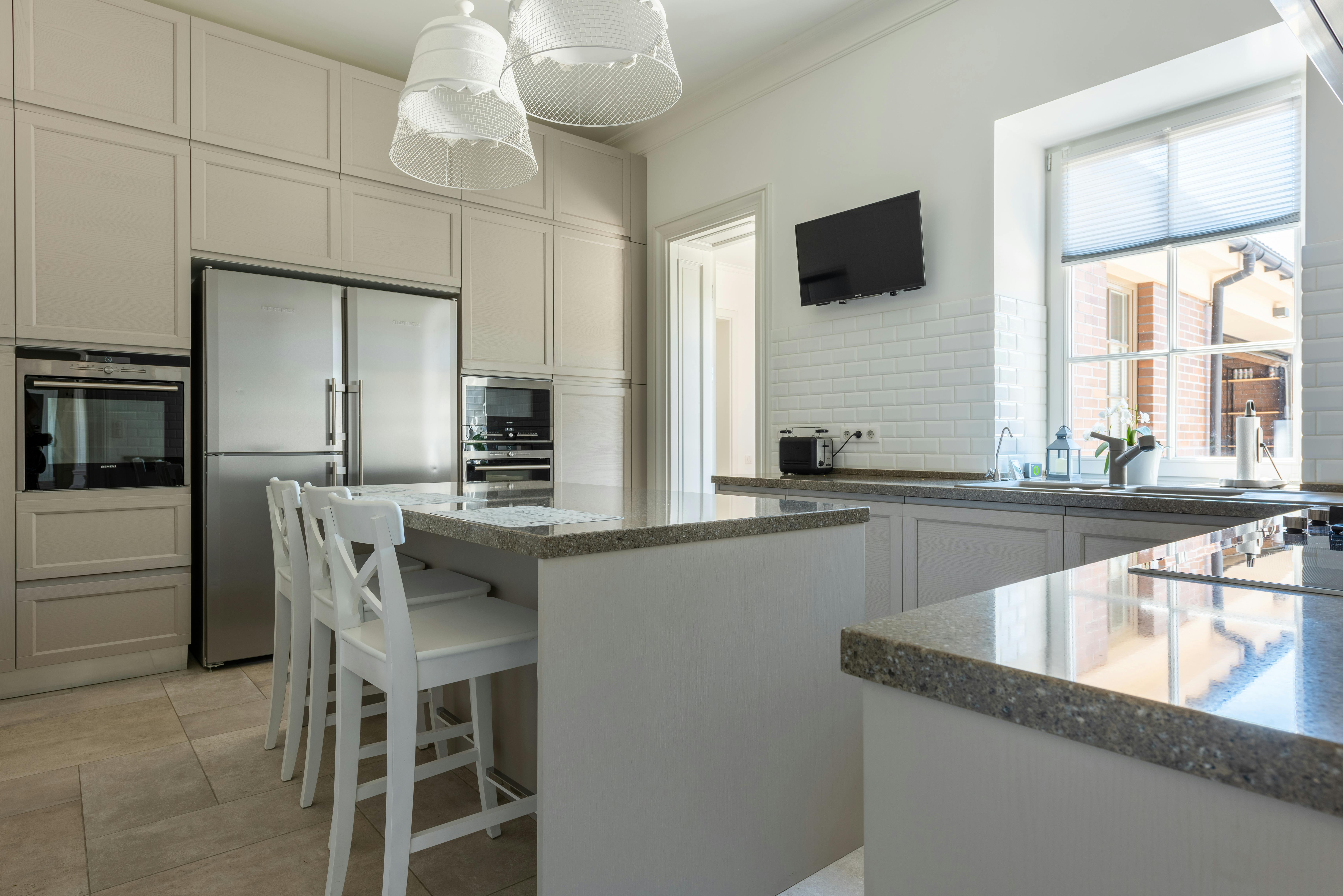
The concept of the kitchen is shifting from a completely open layout to a more considered one. Zoning the space becomes a key tool: separate zones for cooking, storage and socializing are organized within a single volume without partitions. A storage cabinet instead of open shelves, an island with built-in appliances, different flooring in the kitchen and living areas, layered lighting – all of this structures the space, improves functionality and creates a sense of order.
Curved Lines: Organic Against Geometry
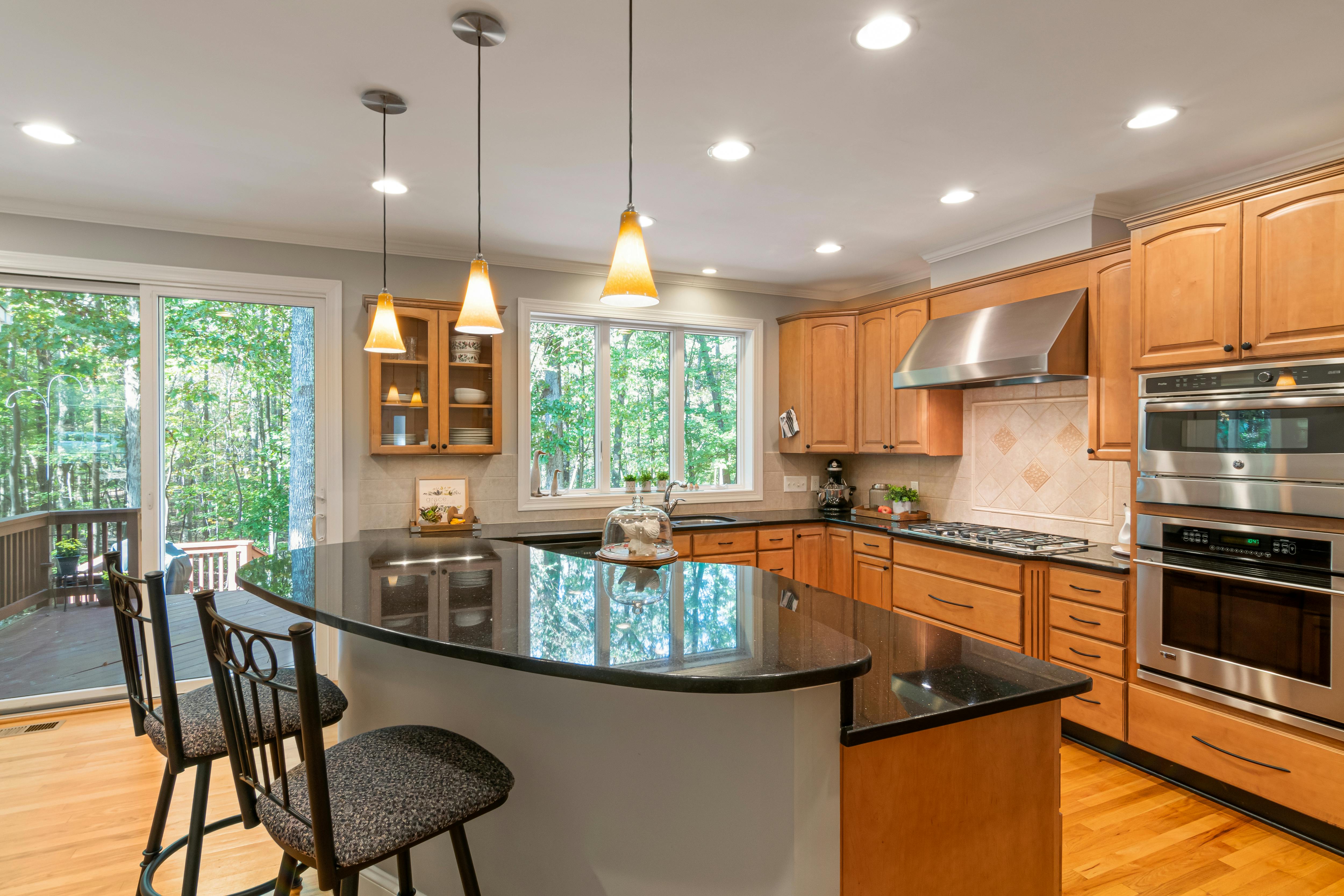
Rounded islands, arched niches, soft edges of facades – the right angle is no longer the only correct answer. Organic forms make the kitchen visually softer and physically more comfortable: it is easier to move around a curved island, especially in a small space. This fits into the overall vector of trendy apartment design – harsh geometry is giving way to smoothness. Details help support this: a round dining table instead of a rectangular one, light fixtures with rounded shades, soft lines of accessories.
Smart Technology: Intelligence You Can't See
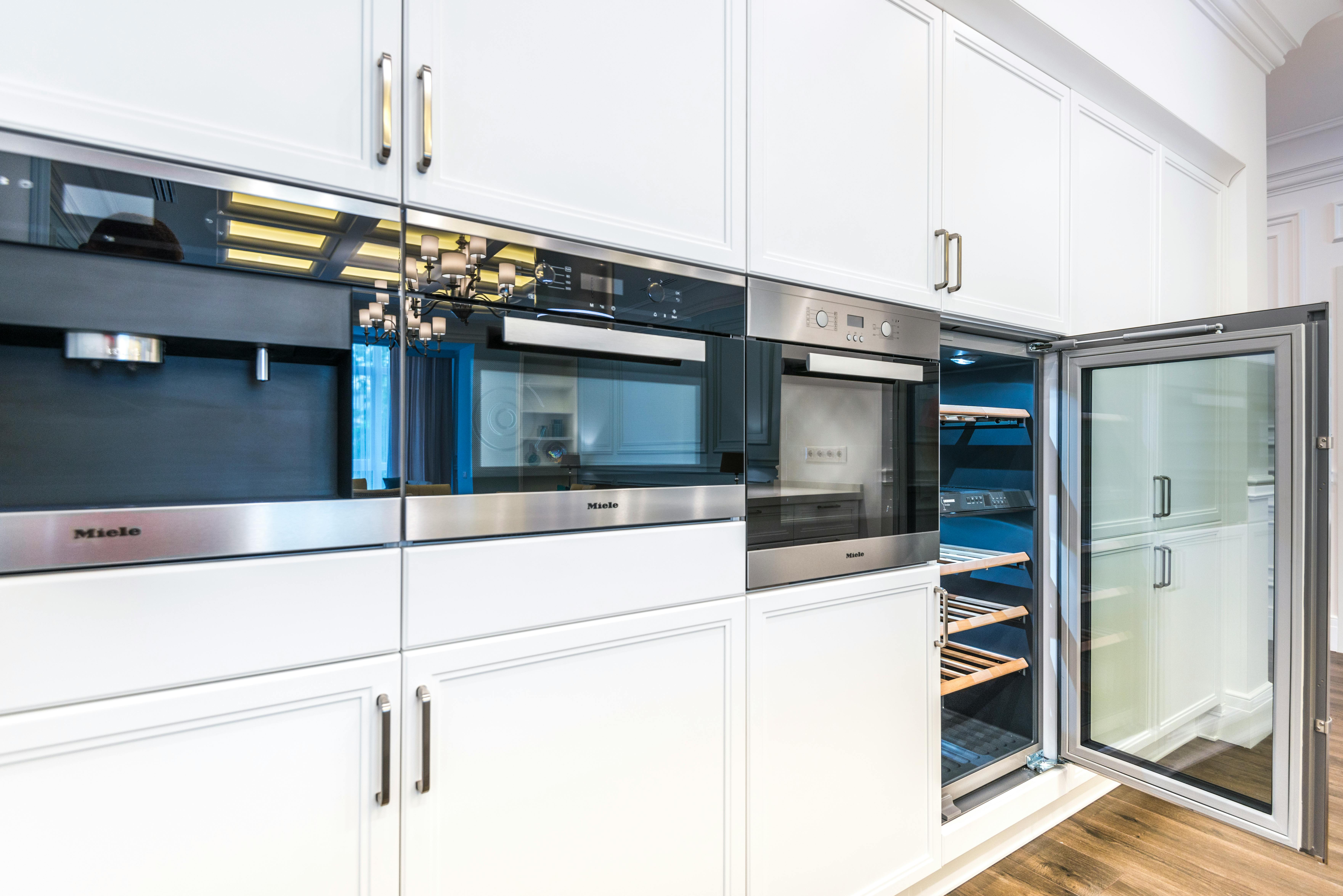
Induction cooktops flush with the countertop, refrigerators hidden behind panel facades, built-in chargers, voice-controlled lighting – technologies work on one principle: they should not be visible. A smart kitchen is not one with many gadgets, but one where everything works seamlessly without compromising aesthetics.
You can start small: remove all wires and chargers from surfaces. This is one of those cases where minimal effort gives maximum visual effect.
Light as a Tool
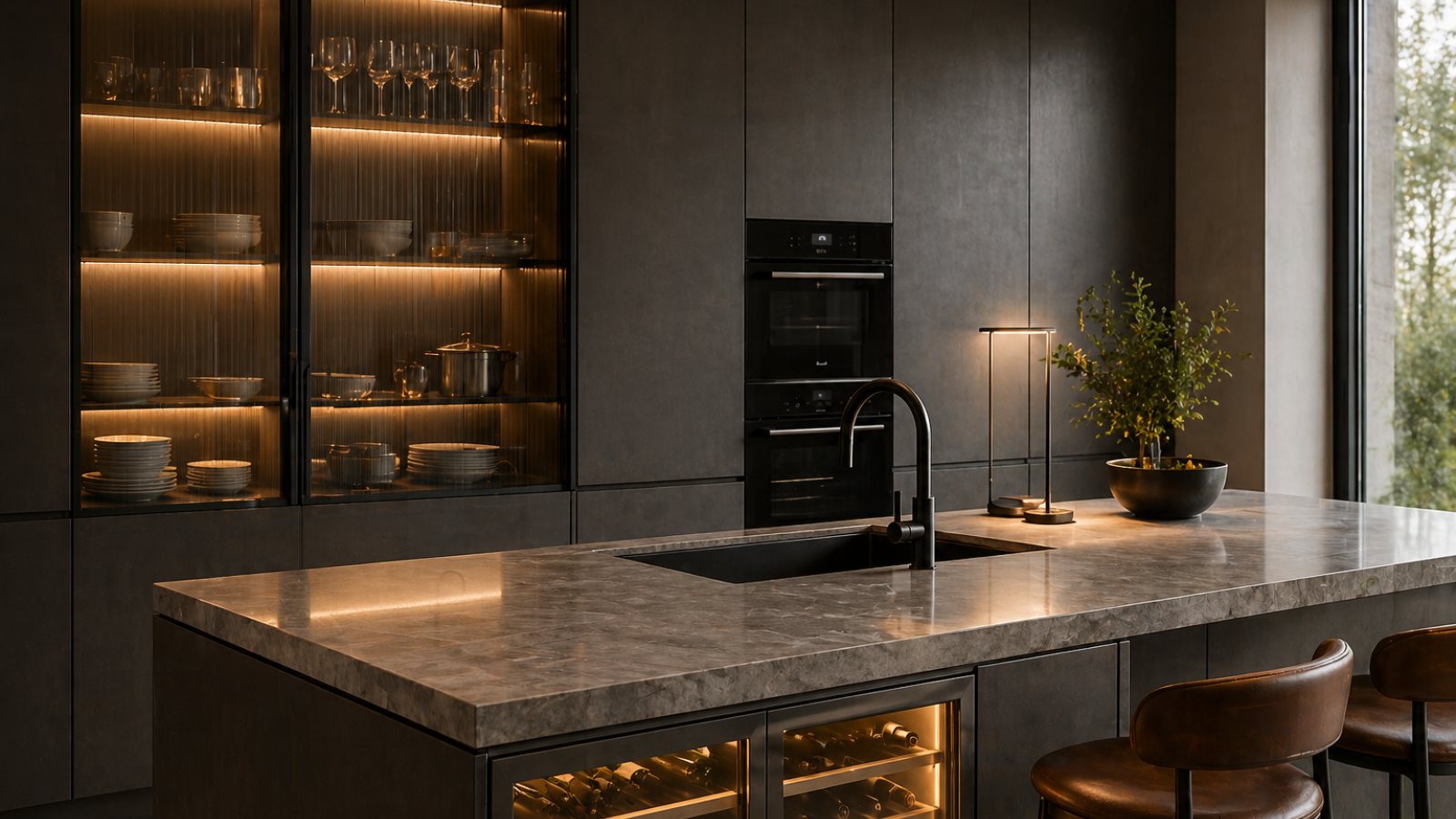
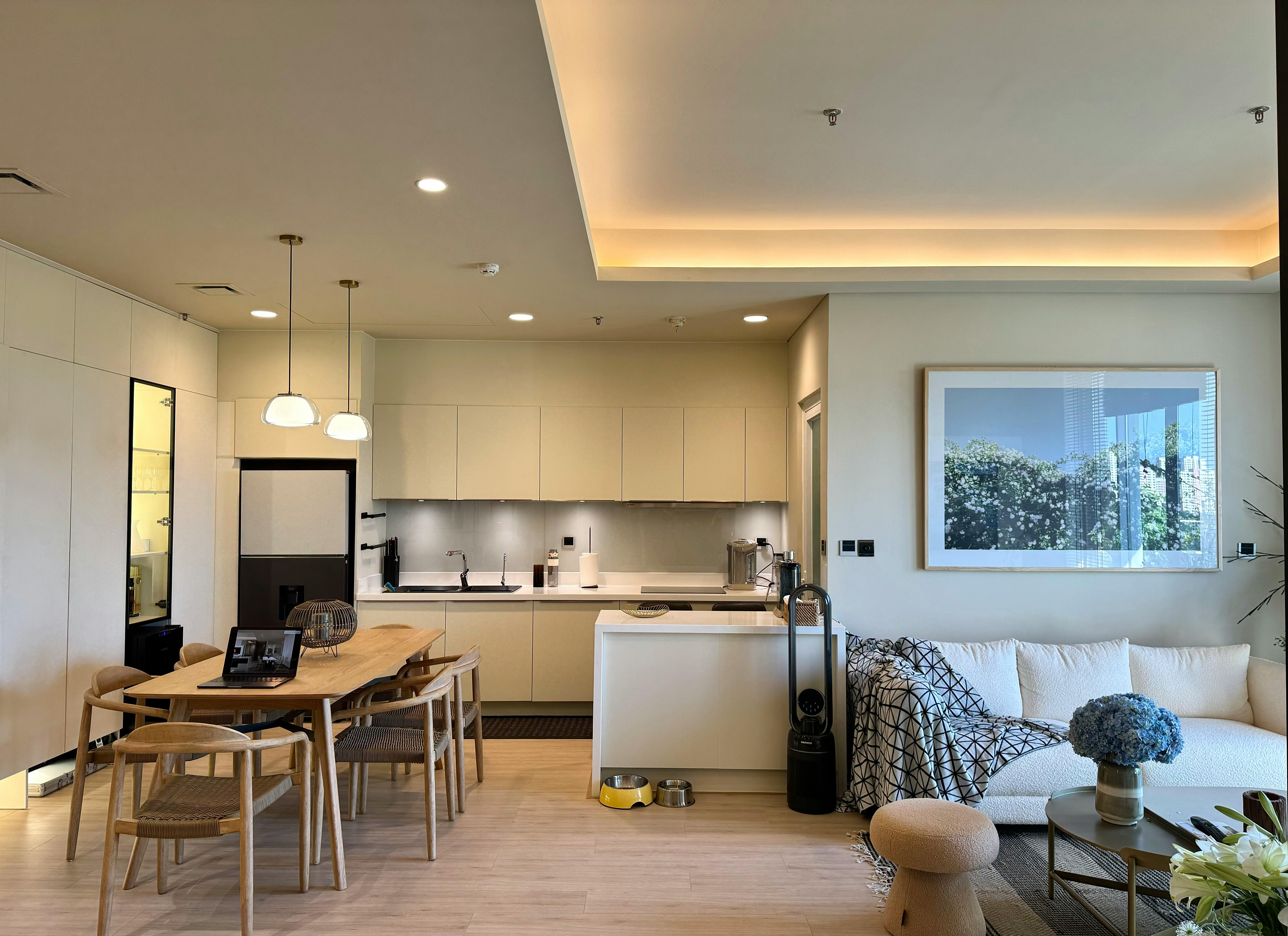
Lighting ceases to be an auxiliary function and becomes an artistic technique. Contour lines, light integration into lower and vertical planes, dynamic lighting with the ability to change temperature and intensity throughout the day – all of this allows you to transform the kitchen from a work space into an evening lounge with a single gesture.
Micro-Reliefs and Textures
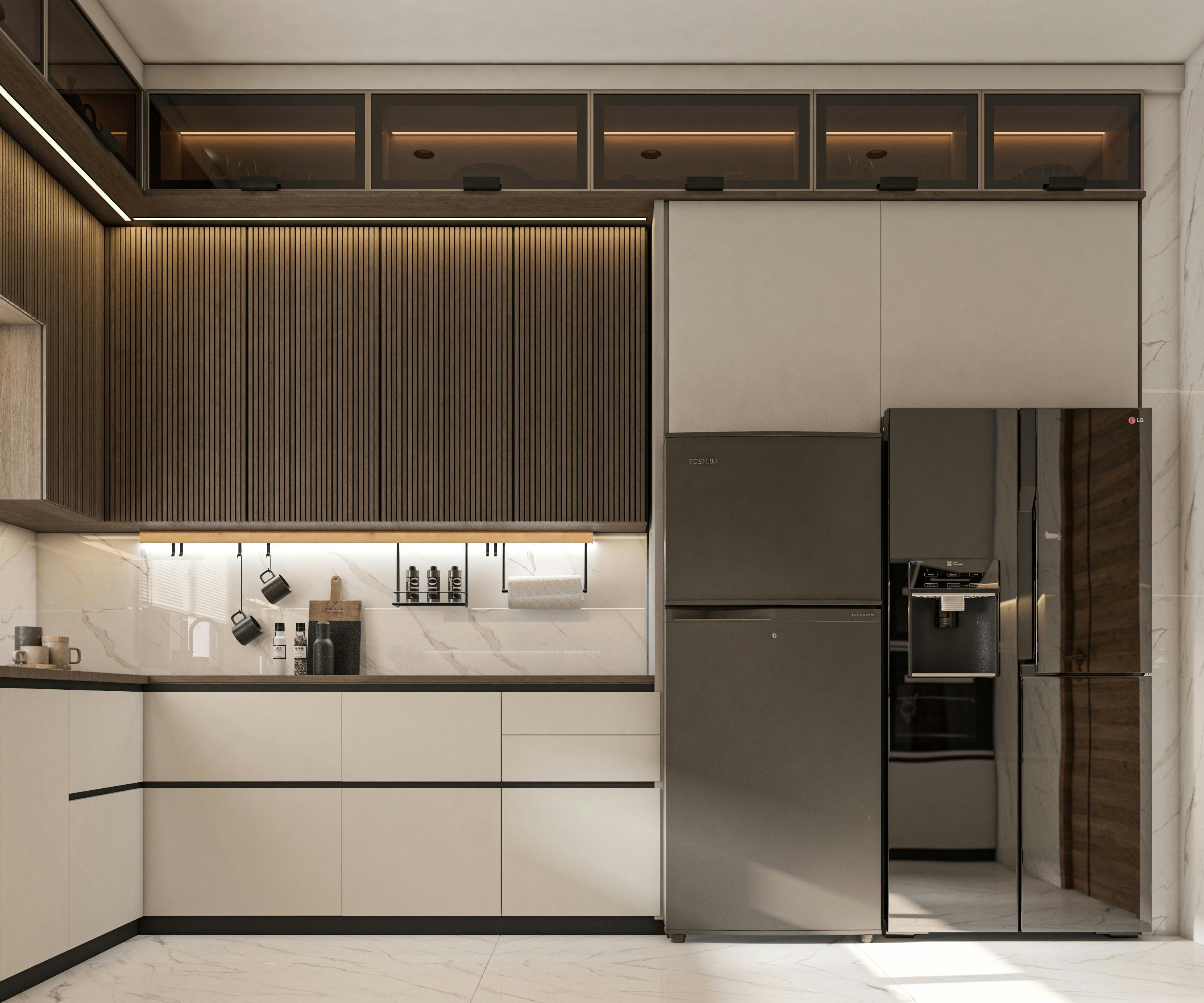
The focus is on micro-processing of materials: notches in stone, vertical waves on facades, relief routing. Tactility becomes a new language of expression – a way to create depth even in a completely monochrome interior. Light falls on the relief softly, and the space acquires architectural complexity without overloading it.
Green Wave: The Era of Biophilic Design
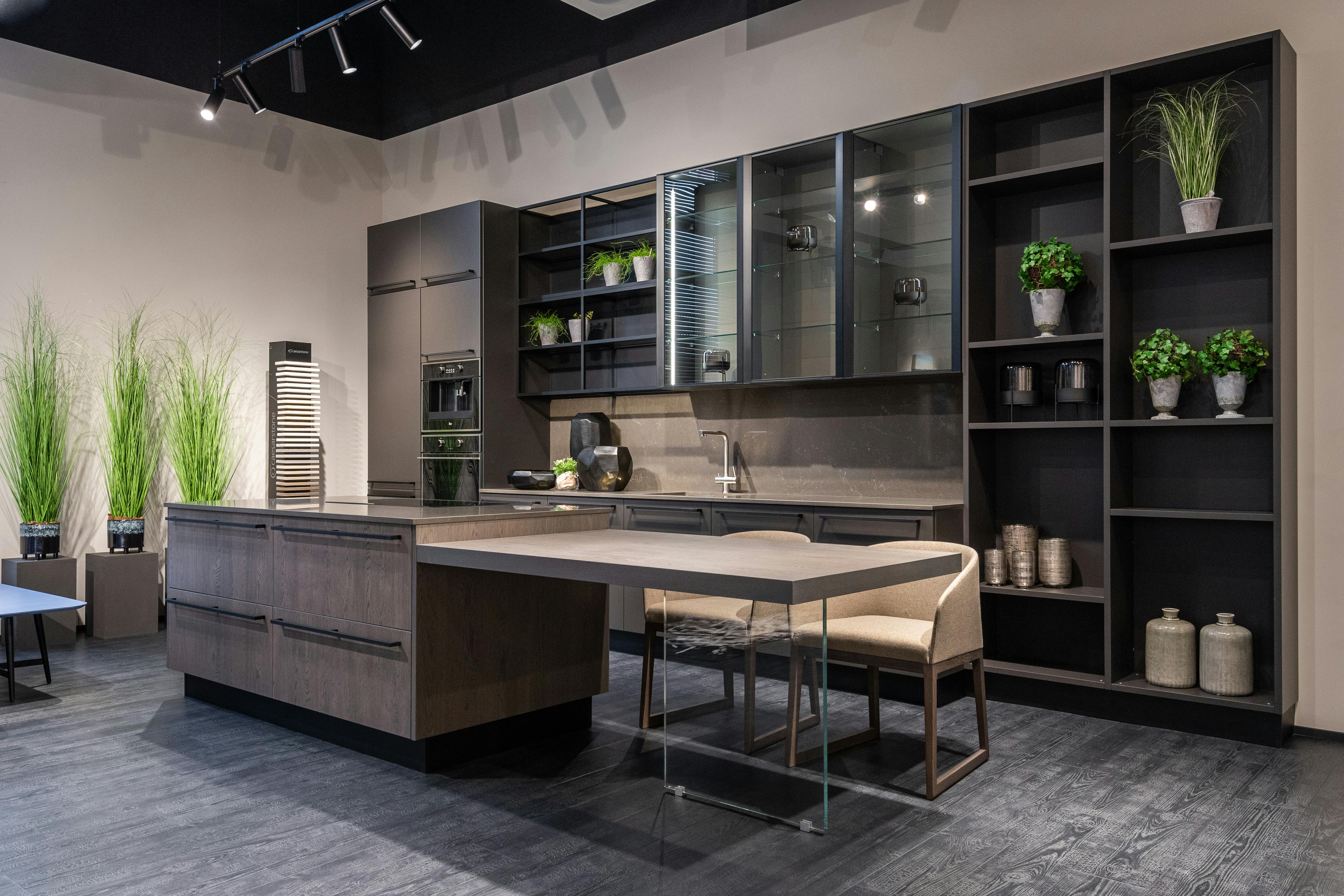
Plants are returning to kitchen interiors – and no longer as an optional addition, but as a conscious design element. Tall pots by the window, herbs in ceramic planters, shelves with lighting for greenery – all of this is part of a biophilic approach where light, color, texture and living nature work together. The main goal is to create a space where a person feels not isolated from the world, but part of it.

No comments yet.